

Pilgrimage in Islam: Its Role in Strengthening Faith and Solidarity

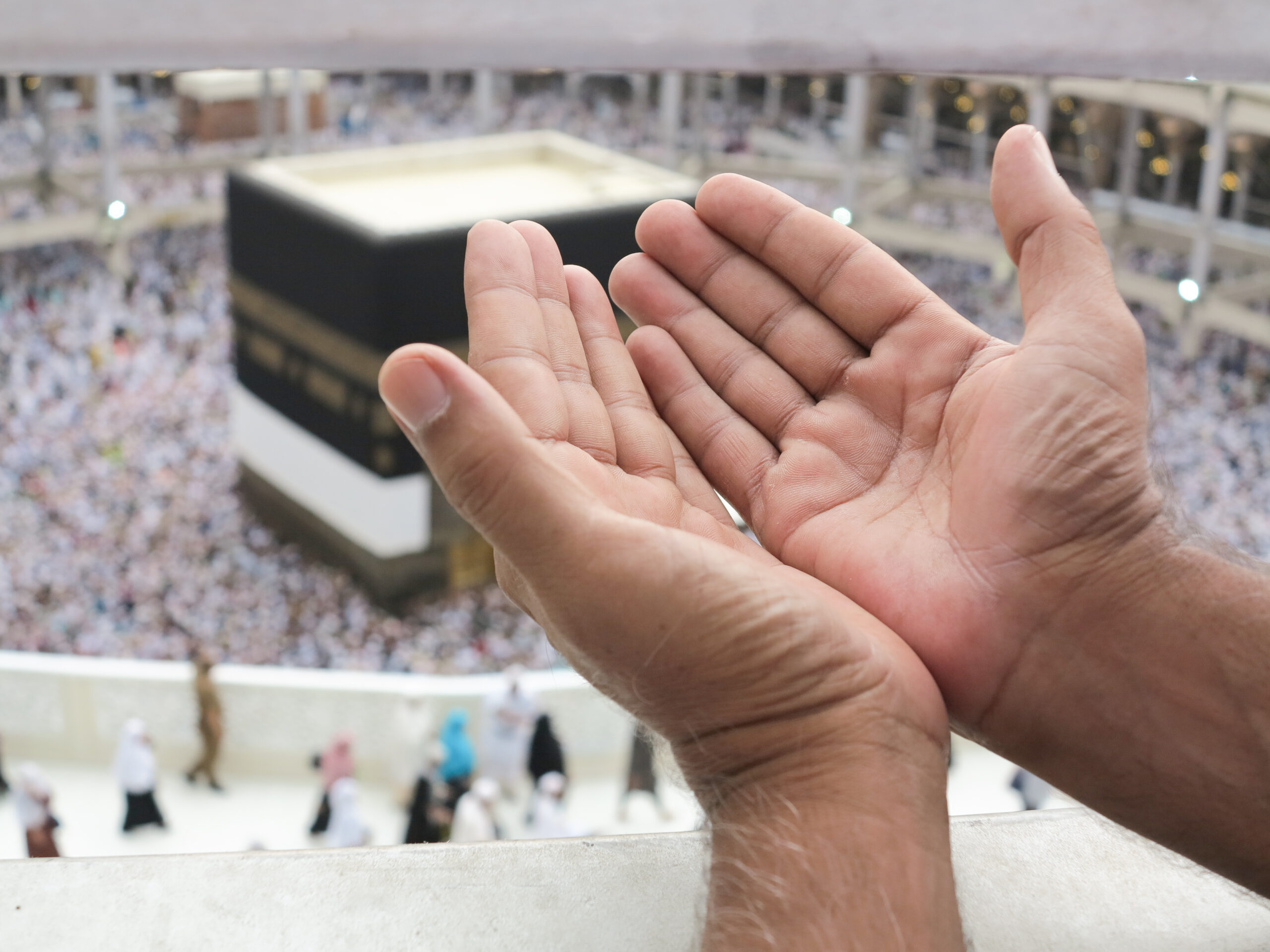
“[Abraham said] Our Lord! I have settled some of my offspring in a barren valley, near Your Sacred House, our Lord, so that they may establish prayer. So, make the hearts of ˹believing˺ people incline towards them and provide them with fruits, so perhaps they will be thankful.”
Quran 2:183
The fifth pillar of Islam
TLDR
Malcolm X, the famous American activist during the Civil Rights Movement, describes the experience of his pilgrimage during the 1960s as follows:
‘ There were tens of thousands of pilgrims from all over the world. They were of all colors, from blue-eyed blondes to black-skinned Africans. But we were all participating in the same ritual, displaying a spirit of unity and brotherhood that my experiences in America had led me to believe never could exist between the white and the non-white. America needs to understand Islam because this is the one religion that erases from its society the race problem. You may be shocked by these words coming from me. But on this pilgrimage, what I have seen and experienced has forced me to rearrange much of my thought patterns previously held.’
The pilgrimage is the fifth pillar of Islam. It is the only form of worship that combines all the components of any worship: spiritual, physical, and financial. It is also time—and place-specific.
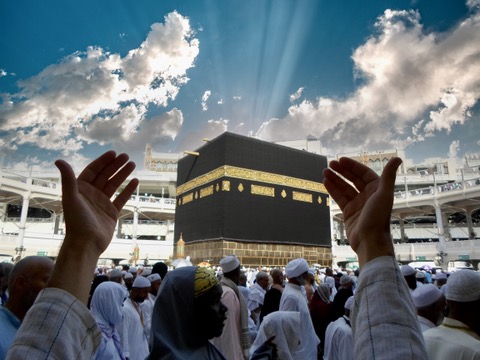
Hajj is obligatory for every adult Muslim with financial and physical means at least once in a lifetime, so every year, millions of Muslims from around the world gather annually in Mecca in Saudi Arabia, the holiest city for Muslims, to perform the sacred Muslim pilgrimage.
‘ There were tens of thousands of pilgrims from all over the world. They were of all colors, from blue-eyed blondes to black-skinned Africans. But we were all participating in the same ritual, displaying a spirit of unity and brotherhood that my experiences in America had led me to believe never could exist between the white and the non-white. America needs to understand Islam because this is the one religion that erases from its society the race problem. You may be shocked by these words coming from me. But on this pilgrimage, what I have seen and experienced has forced me to rearrange much of my thought patterns previously held.’
The pilgrimage is the fifth pillar of Islam. It is the only form of worship that combines all the components of any worship: spiritual, physical, and financial. It is also time—and place-specific.
Hajj is obligatory for every adult Muslim with financial and physical means at least once in a lifetime, so every year, millions of Muslims from around the world gather annually in Mecca in Saudi Arabia, the holiest city for Muslims, to perform the sacred Muslim pilgrimage.
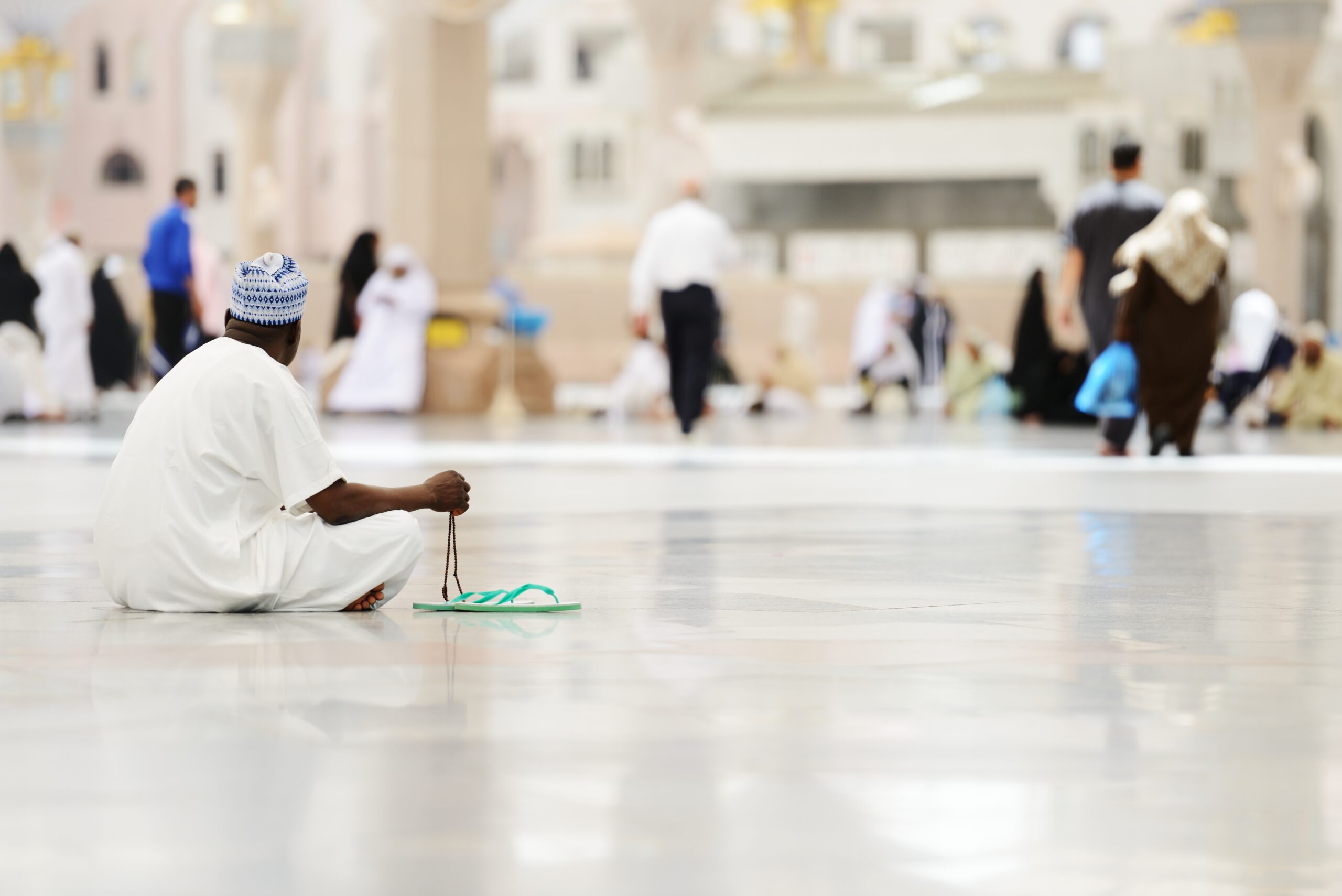
History of pilgrimage in Islam
The Origins
God commanded the prophet Abraham to take his wife Hajira and son Ismail on a journey to Arabia, where he left them alone in the desert of ancient Mecca.
Having run out of water and her son crying from thirst, Hajar desperately ran seven times between the two hills of Safa and Marwah but found none. Returning in despair to Ishmael, she prayed for God’s mercy and saw the baby scratching the ground with his leg. A water fountain sprang forth underneath his foot, uncovering a source of water that had been providing water for thousands of years. It is called the Zamzam well.
When Abraham returned, he was commanded to build the Kaaba, which he did with the help of Ishmael. The Kaaba was the first holy house on earth dedicated to Allah, where worship took place, and people were invited to perform pilgrimages.
Having run out of water and her son crying from thirst, Hajar desperately ran seven times between the two hills of Safa and Marwah but found none. Returning in despair to Ishmael, she prayed for God’s mercy and saw the baby scratching the ground with his leg. A water fountain sprang forth underneath his foot, uncovering a source of water that had been providing water for thousands of years. It is called the Zamzam well.
When Abraham returned, he was commanded to build the Kaaba, which he did with the help of Ishmael. The Kaaba was the first holy house on earth dedicated to Allah, where worship took place, and people were invited to perform pilgrimages.
“And ˹remember˺ when We made the Sacred House a centre and a sanctuary for the people ˹saying˺, “˹You may˺ take the standing-place of Abraham as a site of prayer.” And We entrusted Abraham and Ishmael to purify My House for those who circle it, who meditate in it, and who bow and prostrate themselves ˹in prayer˺.”
Quran 2:125
During Islam
Centuries passed by, and the descendants of Ismail (The Arabs) were driven away from monotheism and the authentic teachings of the prophet Abraham and lived in an era known as the Age of Ignorance (Jahiliya); the Kaaba became surrounded by pagan idols.
In AD 630, the last prophet of God, Muhammad (PBUH), led his followers from Medina to Mecca, cleansed the Kaaba by destroying all the pagan idols, and consecrated the building to God. Two years later, Muhammad performed his only and last pilgrimage with thousands of followers and instructed them on the rites of the Hajj.
From this point on, pilgrimage became one of the five pillars of Islam.
In AD 630, the last prophet of God, Muhammad (PBUH), led his followers from Medina to Mecca, cleansed the Kaaba by destroying all the pagan idols, and consecrated the building to God. Two years later, Muhammad performed his only and last pilgrimage with thousands of followers and instructed them on the rites of the Hajj.
From this point on, pilgrimage became one of the five pillars of Islam.
“In it are clear signs and the standing-place of Abraham. Whoever enters it should be safe. Pilgrimage to this House is an obligation by Allah upon whoever is able among the people. And whoever disbelieves, then surely Allah is not in need of ˹any of His˺ creation.”
Quran 3:97
Importance of pilgrimage
First, it is a heart, then it becomes a body trip.
The Hajj is an annual, long, pious journey by Muslims to cleanse their souls of all worldly sins. When Muslim brotherhood, solidarity with fellow Muslim people and submission to God are fulfilled and displayed.
The Hajj is seen to have a spiritual merit that provides Muslims with an opportunity for self-renewal and serves as a reminder of the Day of Judgment when Muslims believe all humankind will be gathered and stand before God.
Hajj brings together and unites Muslims from different parts of the world irrespective of their social status, race, color, and culture, symbolizing objective equality.
Those who complete the Hajj are known as Hajji. Everyone participating in the Hajj pilgrimage is treated equally, fostering a strong sense of unity. The pilgrimage demonstrates self-discipline and fulfills a religious duty, bringing Muslims closer to their faith in God.
Some hadith agree that the journey cleanses sins:
He will return as if he were born anew (Sahih al-Bukhari 26:596).
The Hajj is seen to have a spiritual merit that provides Muslims with an opportunity for self-renewal and serves as a reminder of the Day of Judgment when Muslims believe all humankind will be gathered and stand before God.
Hajj brings together and unites Muslims from different parts of the world irrespective of their social status, race, color, and culture, symbolizing objective equality.
Those who complete the Hajj are known as Hajji. Everyone participating in the Hajj pilgrimage is treated equally, fostering a strong sense of unity. The pilgrimage demonstrates self-discipline and fulfills a religious duty, bringing Muslims closer to their faith in God.
Some hadith agree that the journey cleanses sins:
He will return as if he were born anew (Sahih al-Bukhari 26:596).
Key events
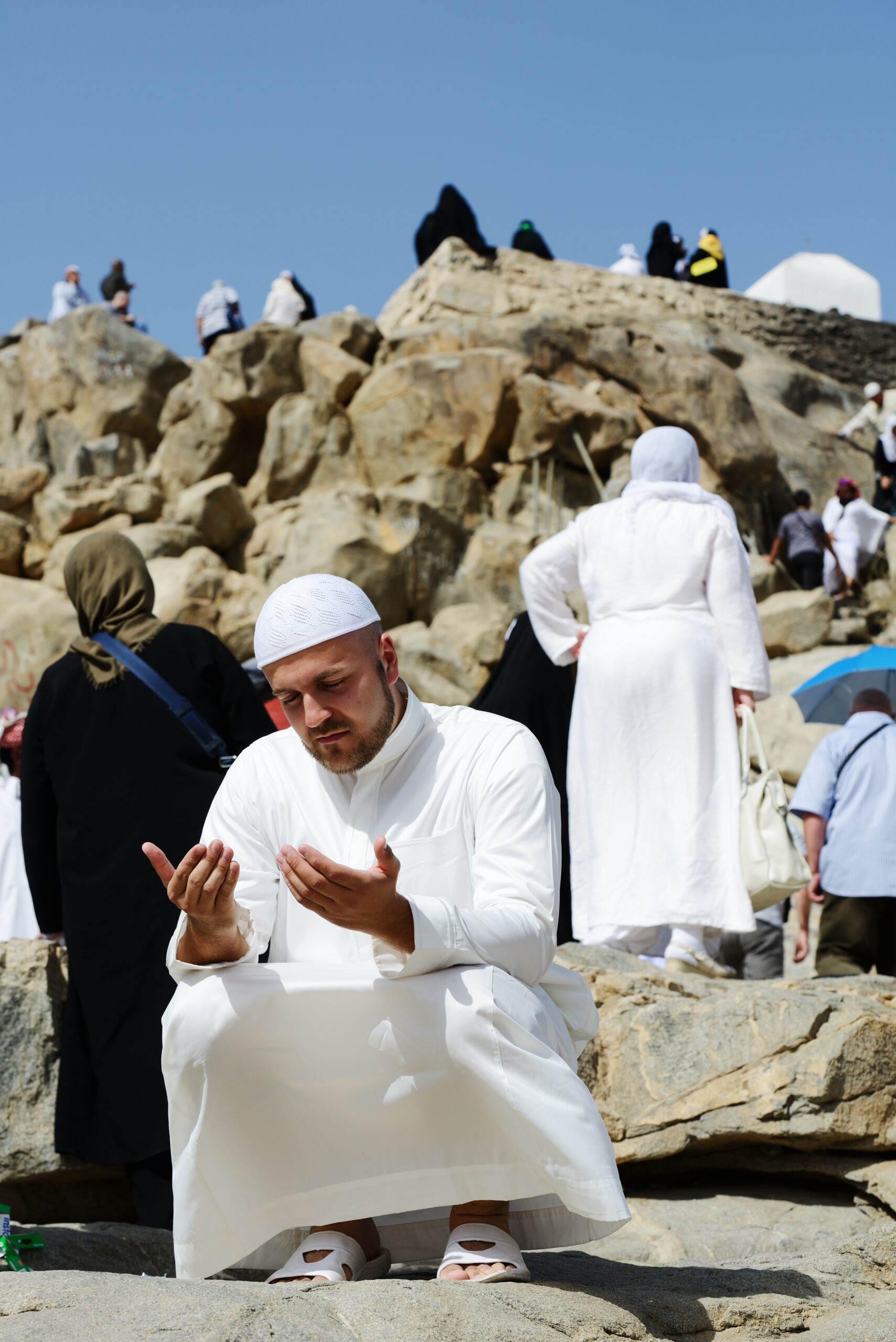
Summary
A 2008 study on the impact of participating in the Islamic pilgrimage found that Muslim communities become more positive and tolerant after Hajj. Titled Estimating the Impact of the Hajj and conducted in conjunction with Harvard University’s John F. Kennedy School of Government.
The study noted that :
The study noted that :
“the Hajj Increases belief in equality and harmony among ethnic groups and Islamic sects and leads to more favorable attitudes toward women, including greater acceptance of female education and employment” and that “Hajjis show increased belief in peace, equality and harmony among adherents of different religions.”